

Skip to content
Motionbar
Sign inOpen Recast
Take footage further · Recast

Keep the take.
Change who's in it.

Footage you already shot, recast. Lock the camera move and the timing and swap the cast — or replace what was filmed entirely.

Open Recast A reshoot costs a day and a crew. A recast costs a render.

The edit survives. The casting doesn't have to.

Drop the clip you already cut. Choose Keep the motion or Swap what's filmed, pick the new cast from your vault, and the approved timing stays frame for frame.

›Recast⚡ 240
Source cliplaunch-v3.mp4 · 0:12
Camera + timing locked
ModeKeep the motion
New castfrom the vault
Recast ⚡ 60
Example price · 12-second clip · 1080p
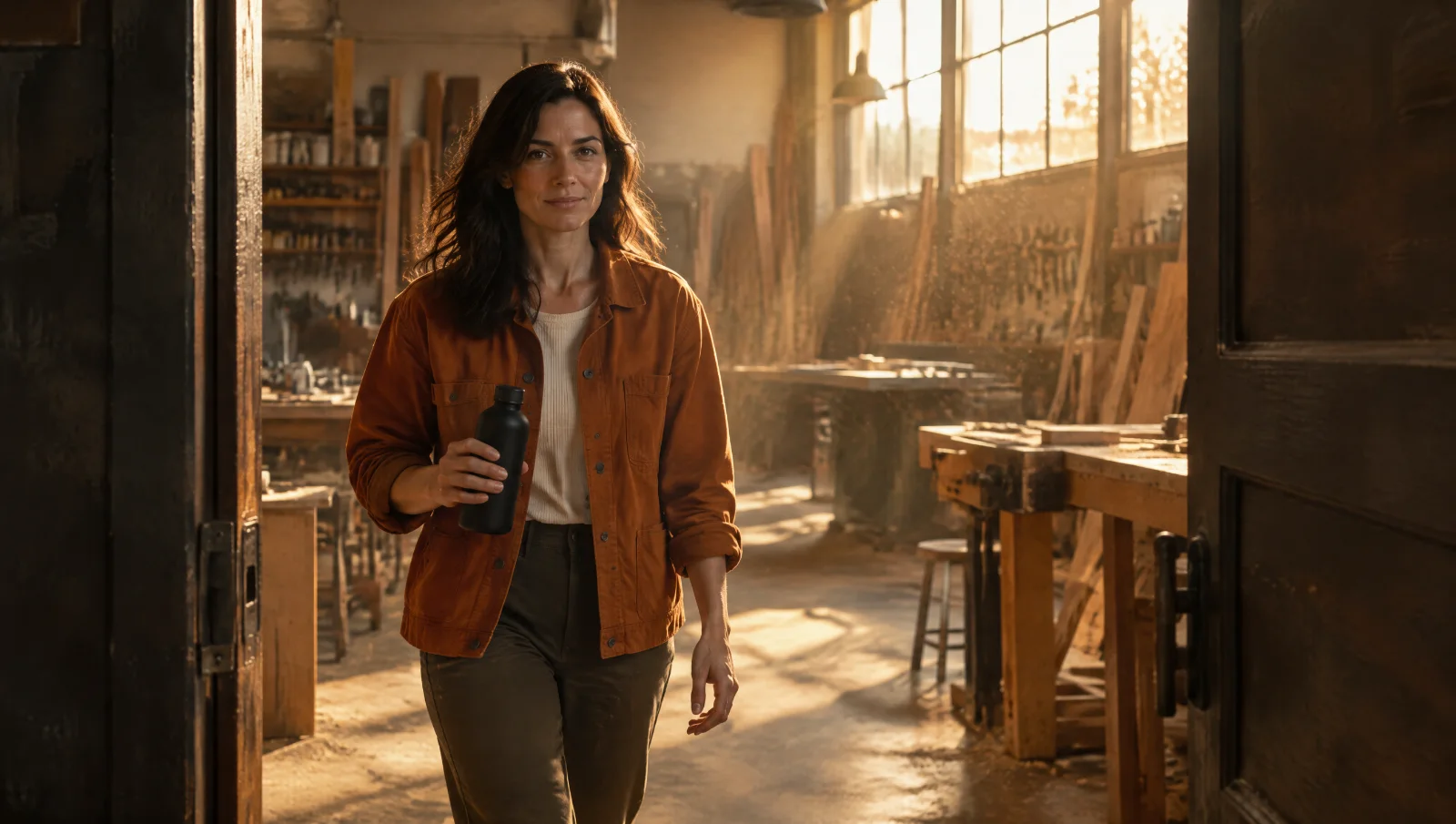
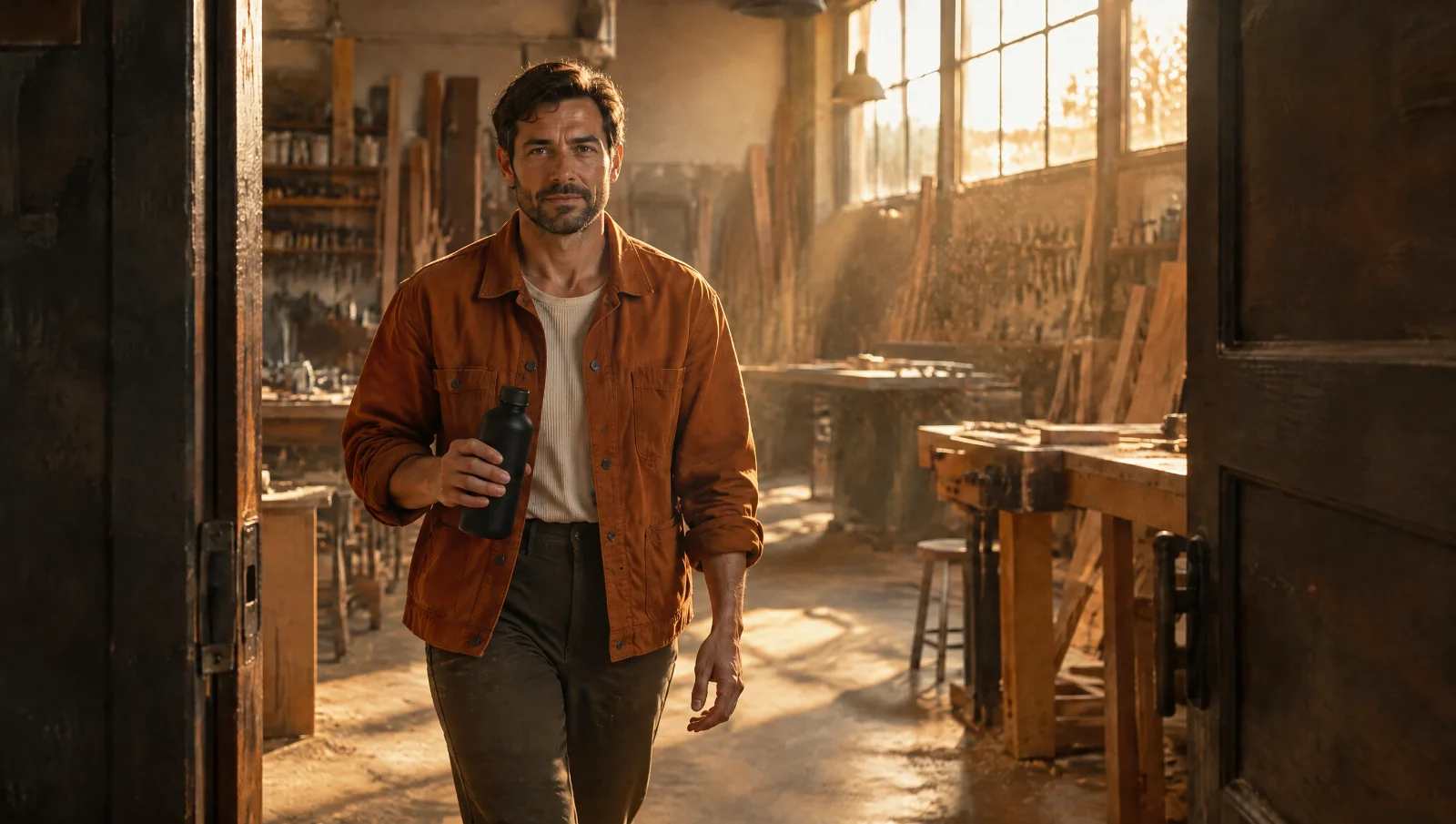
OriginalYour twin
00:0000:0300:0600:0900:12
RevealHandsClose-upEnd card
Every cut point kept. Motion path locked to the original.

Studio shown for illustration. Switch the mode and the cast; the wipe compares original and recast.

What a recast is for

The cut you approved still works. Only who is in it — or what was filmed — has to change.

Keep the motion

The presenter left

Same launch video, new face on camera. Nobody re-learns the script.

Keep the motion

Localise the cast

One cut, five markets, five faces. The move never changes.

Keep the motion

Your twin in the archive

Old footage, your face. The dolly still lands on the beat.

Swap what's filmed

New product, old cut

Same beats, same pacing, this season's product.

Swap what's filmed

Wrong location

Reshoot the take in the workshop, from the original as brief.

Swap what's filmed

Legal said no

Replace the footage you cannot use; keep the edit you can.

Why

A day and a crew

That is what a reshoot costs. A recast costs a render.

Why

The approved cut works

Clients signed off on timing. Timing is what stays.

Keep the motion

The presenter left

Same launch video, new face on camera. Nobody re-learns the script.

Keep the motion

Localise the cast

One cut, five markets, five faces. The move never changes.

Keep the motion

Your twin in the archive

Old footage, your face. The dolly still lands on the beat.

Swap what's filmed

New product, old cut

Same beats, same pacing, this season's product.

Swap what's filmed

Wrong location

Reshoot the take in the workshop, from the original as brief.

Swap what's filmed

Legal said no

Replace the footage you cannot use; keep the edit you can.

Why

A day and a crew

That is what a reshoot costs. A recast costs a render.

Why

The approved cut works

Clients signed off on timing. Timing is what stays.

Lock. Swap. Render.

Camera move and timing stay frame for frame. Only the people change — unless you ask for more.

Drop the clip you already cut. Recast reads the camera move, the cut points and the timing, and locks them — that is the part that survives.

Camera moveCut pointsTiming
Locked0:12 · 4 cuts · dolly inTake 1 · 0:05
Two modes

Keep the motion,
or swap the take.

Keep the motion holds the camera and the timing and changes the people. Swap what's filmed uses the original as the brief and shoots a new take to the same beats.

The original is the motion track. The new cast is fitted to it — their walk lands on the same marks, their turn hits the same frame.

Keep the motionSwap what's filmed
Original · brief
Recast · your twin
CameraDolly in · lockedTiming4 cuts · lockedCastYour twinLocationUnchanged
The dotted path is the original motion. The new cast walks it.Recast · ⚡ 60

Cast from
the vault.

Your twin, a saved character, or a person who recorded consent. The recast reads the original's framing and puts them exactly where the first cast stood.

Your twin@Mara@OliverA consenting colleagueTwo people · two-shot
  1. 1

    Drop the clip

    The cut you already have — with the client's sign-off on it. Recast locks the camera and the timing on import.

  2. 2

    Pick who stands there

    From the vault. The recast reads where the original cast stood and places the new one on the same marks.

  3. 3

    Compare, then approve

    A wipe between original and recast, every frame. Run it again with a different face for nothing but another render.

A render,
not a reshoot.

Three things a recast keeps that a reshoot would lose.

The timing

Every cut lands where it did. The dolly reaches the face on the same frame. Approved is still approved.

The camera

Move, lens and framing are read from the original and reproduced — not re-imagined.

The cost

A reshoot is a day, a crew and a location. A recast is a render you can run twice before lunch.

The edit survives.

Open Recast
Same twin, different studio? See all fifteen →